
High Risk Pregnancy Care in Vijayawada: A Practical Guide for Families
Pregnancy is unique for every woman. Some pregnancies need closer medical monitoring due to existing health conditions, prior obstetric history, or current pregnancy findings. At Ashwa Hospitals, we help families understand what high risk means and how planned follow-up can improve safety for mother and baby.
Who may need high risk pregnancy care?
You may need advanced obstetric follow-up if you have diabetes, high blood pressure, thyroid concerns, anemia, previous preterm delivery, recurrent pregnancy loss, twin pregnancy, or maternal age-related risks. High risk does not always mean a complication will occur, but it does require careful observation.
How is evaluation done?
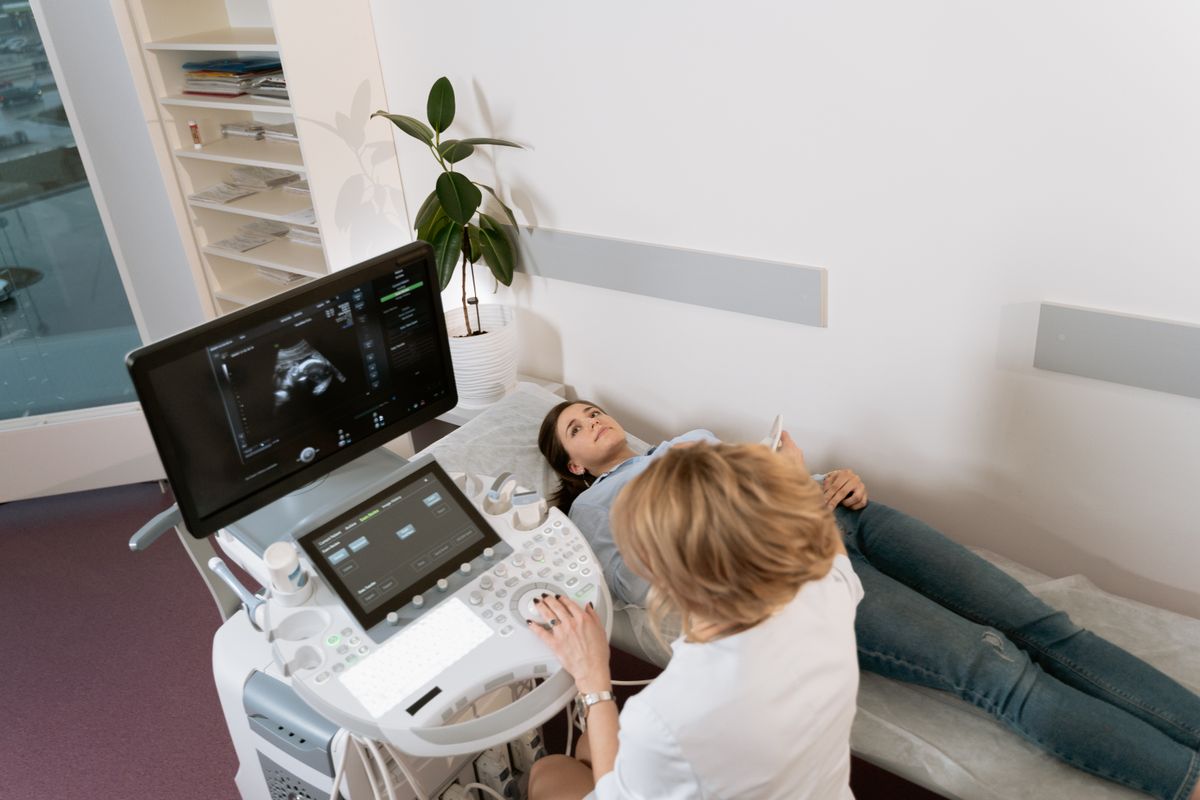
Evaluation includes consultation, review of prior records, ultrasound scans, blood investigations, and maternal-fetal assessments. Follow-up frequency depends on trimester stage and risk profile. Every test is suggested only when medically necessary.
Treatment and monitoring approach
- Medication adjustments based on maternal conditions
- Nutrition guidance and lifestyle recommendations
- Electronic fetal heart monitoring when needed
- Delivery planning based on clinical progress
When should you seek urgent advice?
Contact your doctor immediately for bleeding, severe abdominal pain, reduced fetal movements, severe headache, swelling, breathlessness, or persistent vomiting. Early reporting helps timely care.
Looking for High Risk Pregnancy Care in Vijayawada? Schedule a consultation with Dr. M. Madhavi for personalized guidance and follow-up planning.
Author
Dr. M. Madhavi
Consultant Obstetrics & Gynecologist, Fertility Specialist, and Laparoscopic Surgeon at Ashwa Hospitals, Vijayawada.