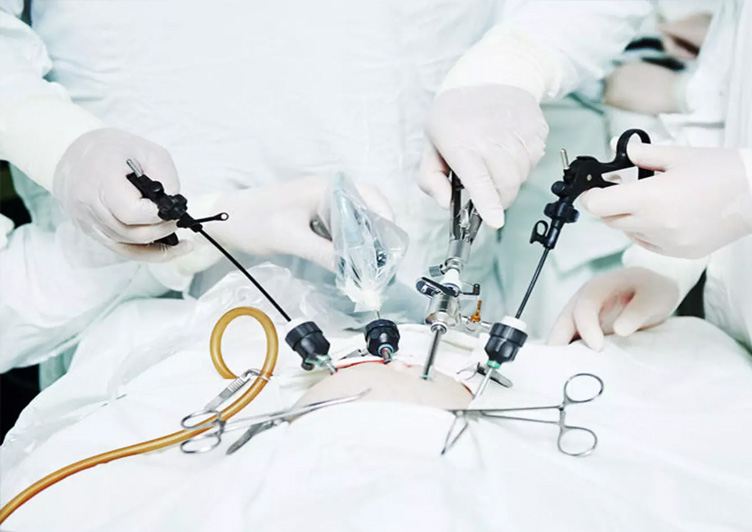
The evolution of modern surgical science has drastically reduced the need for broad, invasive abdominal incisions. Today, high-precision imaging and micro-surgical instruments allow complex procedures to be performed through tiny entry points. At Ashwa Hospital, we are at the forefront of this surgical revolution, providing world-class laparoscopic surgery in Vijayawada. This advanced, minimally invasive approach—often called keyhole surgery—replaces traditional open procedures with a high-definition camera system and microscopic tools. It gives surgeons an incredibly detailed, magnified view of the internal pelvic anatomy, ensuring maximum structural accuracy while minimizing trauma to healthy surrounding tissue.
Related consultations: Patients in Vijayawada often also explore General Physician Consultations, Women’s Health Checkups, Nutrition Guidance During Pregnancy based on symptoms and treatment goals.
As one of the most trusted gynecology hospitals in Vijayawada, our entire surgical ecosystem is optimized for complex reproductive and gynaecological interventions.
Our specialized minimal-access surgical team is led directly by Dr. M. Madhavi, recognized as the best laparoscopic surgeon in Vijayawada and a leading best gynecologist in Vijayawada. Bringing over 15 years of deep clinical experience—including her distinguished background as an Ex-Consultant at NRI Medical College—Dr. Madhavi seamlessly integrates advanced fertility-preserving methods with high-resolution laparoscopy.
Whether you require a delicate myomectomy to remove uterine fibroids while protecting your fertility, an intricate intervention for deep infiltrating endometriosis, or a life-saving procedure for an ectopic pregnancy, our facility provides precision care. Centrally located on Dasarivari Street, Prakasam Road, Ashwa Hospital delivers exceptional surgical outcomes, minimal post-operative discomfort, and an accelerated return to your daily life.
Symptoms / Problems Requiring Laparoscopic Intervention
Gynaecological laparoscopy is an essential diagnostic and therapeutic tool for conditions that do not respond to conservative medical therapies or lifestyle interventions. If you are experiencing any of the following persistent clinical signs, a detailed evaluation by the best obstetrician in Vijayawada is highly recommended:
- Chronic, Intractable Pelvic Pain: Deep, debilitating lower abdominal pain lasting more than six months that does not respond to standard pain management or hormonal treatments.
- Severe Dysmenorrhea & Deep Dyspareunia: Excruciating menstrual cramping accompanied by pain during or after sexual intercourse, frequently indicating deep pelvic adhesions or hidden tissue growth.
- Unexplained Female Infertility: The inability to conceive despite normal ovulatory patterns and healthy partner semen metrics, which requires direct visual mapping of the fallopian tubes and pelvic environment.
- Abnormal Uterine Bleeding with Palpable Masses: Unusually heavy or prolonged menstrual bleeding tied to firm, palpable lumps within the pelvic cavity, indicating uterine abnormalities like fibroids.
- Acute Lower Abdominal Spasms: Sudden, sharp, single-sided pelvic pain often accompanied by mild spotting, which requires immediate diagnostic screening to rule out emergencies like an ectopic pregnancy or ovarian torsion (twisted ovary).
- Metabolic Inbalances with Ovarian Changes: Persistent hormonal issues paired with enlarged ovaries that do not respond to medical therapies, where mechanical drilling of the ovarian tissue may help restore regular ovulation.
Root Causes Driving the Need for Minimal Access Surgery
The structural changes that demand laparoscopic surgery are rooted in complex biological, genetic, cellular, and hormonal pathways. Understanding these underlying causes highlights why physical, micro-surgical correction is often necessary:
- Estrogen Dominance and Genetic Factors: Extended exposure to high levels of estrogen can trigger the overgrowth of smooth muscle cells within the uterine wall. This leads to benign tumors called uterine fibroids (leiomyomas), which can disrupt the inner cavity and impair reproductive function.
- Retrograde Menstruation Dynamics: During menstruation, tissue fragments can sometimes flow backward through the fallopian tubes and implant on the ovaries or pelvic lining. These cells grow into blood-filled cysts and dense scar tissue, a condition known as endometriosis.
- Abnormal Tissue Differentiation (Adenomyosis): The lining of the uterus can sometimes break through and begin growing inside the muscular uterine wall. This causes the uterus to enlarge and harden, leading to severe pain and heavy bleeding that may ultimately require surgical care.
- Chronic Pelvic Infections: Untreated infections can ascend into the reproductive tract, causing severe inflammation. This results in dense scar tissue sticking pelvic organs together, blocking the fallopian tubes, and causing chronic pain.
- Persistent Ovulatory Failure: When fluid-filled ovarian structures fail to rupture and release an egg during the menstrual cycle, they can grow into complex, large cysts. These structures require surgical removal to prevent ruptures or sudden twisting.
How Laparoscopic Pathology is Diagnosed
Before mapping out a minimally invasive surgical plan, we utilize an advanced diagnostic pipeline to ensure complete clarity and pinpoint accuracy:
High-Resolution Transvaginal Sonography (TVS)
An essential baseline imaging tool that places a specialized probe close to the pelvic organs. This scan maps the exact location, size, and depth of uterine fibroids and identifies complex ovarian cysts, providing the initial blueprint for surgery.
Multi-Planar Pelvic Magnetic Resonance Imaging (MRI)
For large, deep-seated, or multiple tissue anomalies, a pelvic MRI delivers exceptional soft-tissue contrast. It charts the precise boundaries between healthy tissue and abnormal growths, allowing for meticulous planning before the first incision is made.
Diagnostic Laparoscopy and Chromopertubation
The absolute gold standard for assessing fertility. A tiny camera is inserted through the navel to directly view the pelvic organs while a specialized dye is gently introduced into the cervix. This allows the surgeon to verify path openness and check for blockages in real time.
Comprehensive Portfolio of Advanced Laparoscopic Treatments
At Ashwa Hospital, we offer a full spectrum of specialized gynaecological and fertility-focused laparoscopic surgeries tailored to each patient's specific anatomy and long-term health goals:
Laparoscopic Myomectomy (Fibroid Removal)
A specialized, fertility-preserving surgery where uterine fibroids are carefully detached and removed from the uterine muscle wall. Using high-definition visualization, the surgeon precisely reconstructs the uterine layers with multi-layered suturing, protecting the structural integrity of the uterus for future pregnancies.
Laparoscopic Cystectomy (Ovarian Cyst Removal)
A delicate procedure focused on peeling and removing complex growths—such as chocolate cysts or dermoid cysts—directly from the ovary. Our surgical team uses precise techniques to leave the surrounding healthy ovarian tissue completely intact, preserving your essential ovarian reserve and long-term hormone health.
Total Laparoscopic Hysterectomy (TLH)
A modern, minimally invasive alternative to traditional open hysterectomies for conditions like adenomyosis, multiple large fibroids, or early-stage cancers. The entire uterus and cervix are safely detached and removed through tiny abdominal incisions, significantly reducing blood loss, eliminating the need for broad scars, and ensuring a fast recovery.
Laparoscopic Management of Deep Infiltrating Endometriosis
A highly detailed procedure aimed at vaporizing or cutting away painful endometrial growths and dense scar tissue from the ovaries, bladder, and pelvic lining. This advanced surgery helps relieve chronic pelvic pain and restores normal pelvic anatomy to improve natural fertility.
Laparoscopic Ovarian Drilling (LOD)
A specialized surgical option for patients with treatment-resistant Polycystic Ovary Syndrome (PCOS). Using a fine laser or electrosurgical needle, the surgeon creates a few precise punctures in the thickened ovarian tissue. This lowers local male hormone production and helps restore natural, regular ovulation cycles.
Clinical Benefits of Minimally Invasive Laparoscopy
Choosing advanced laparoscopic surgery over traditional open surgery offers major clinical advantages for your recovery and long-term health:
- Significantly Less Post-Operative Pain: Because procedures are performed through tiny, keyhole entry points rather than wide abdominal incisions, muscle division is avoided, dramatically reducing the need for heavy post-operative painkillers.
- Minimal Blood Loss: The use of high-definition, magnified camera systems allows for incredibly precise vascular mapping and immediate sealing of blood vessels, keeping blood loss to an absolute minimum during surgery.
- Stitchless, Cosmetically Clean Healing: The tiny 5mm to 10mm entry points require only minimal, often absorbable closures. This eliminates broad, raised scars and results in clean, virtually invisible healing.
- Drastically Shorter Hospital Stays: Most laparoscopic patients can move comfortably and leave the hospital within 24 to 48 hours, compared to the 5-7 day stays typically required for open abdominal surgeries.
- Reduced Risk of Internal Scarring: Performing surgery within a closed abdominal environment minimizes tissue exposure to the air, significantly reducing the formation of internal scar tissue (adhesions) that can lead to chronic pain or future fertility challenges.
Why Choose Ashwa Hospital for Laparoscopic Surgery in Vijayawada?
When it comes to advanced surgical care, Ashwa Hospital is an outstanding choice among gynecology hospitals in Vijayawada, combining top-tier medical expertise with a deeply compassionate approach to patient wellness.
Our advanced surgical theater features the latest medical technologies, including high-definition camera systems, ultra-fine micro-endoscopic instruments, and advanced tissue-sealing systems. These tools ensure every procedure is carried out with exceptional accuracy and safety. We maintain rigid, international sterilization protocols to protect patient safety at every stage of care.
Our hospital is conveniently located at 29-28-2B, Dasarivari Street, Prakasam Road, directly opposite Latha Super Specialty Hospital. This central location makes us easily accessible to patients visiting from neighboring areas like Suryaraopet, Governorpet, Moghalrajpuram, and Benz Circle. From your initial diagnostic consultation through your personalized post-operative checkups, we provide a seamless, supportive healthcare experience designed around your comfort and complete recovery.
Why Choose Dr. M. Madhavi for Your Laparoscopic Care?
The success of a minimally invasive keyhole surgery depends entirely on the spatial awareness, precision, and clinical experience of your surgeon. Dr. M. Madhavi is widely recognized as the best laparoscopic surgeon in Vijayawada, bringing unmatched skill and dedication to women's surgical healthcare.
With over 15 years of specialized clinical experience, including a foundational tenure as an Ex-Consultant at NRI Medical College, Dr. Madhavi has successfully performed thousands of complex gynaecological and fertility-enhancing laparoscopic procedures. Her extensive background allows her to confidently manage complex surgical situations—such as large fibroids or dense pelvic adhesions—with exceptional care.
Dr. Madhavi treats surgery as a balanced art, always focusing on tissue-preserving, fertility-focused techniques. This ensure her patients achieve full relief from their symptoms while protecting their reproductive options for the future.
Advanced Surgical Technology Used at Ashwa Hospital
To deliver optimal surgical outcomes, our operating theaters are equipped with advanced minimal-access medical technologies:
- Ultra-High-Definition Camera Systems: Advanced camera chains provide exceptional clarity and depth perception, allowing our surgical teams to see minute anatomical details with pristine accuracy.
- Advanced Electrosurgical Tissue-Sealing Platforms: High-tech devices that use smart energy delivery to simultaneously cut and seal blood vessels, minimizing blood loss and reducing thermal injury to surrounding healthy tissues.
- Pneumatic Insufflation Monitors: Advanced gas-delivery systems that maintain stable, controlled abdominal space during surgery, optimizing visibility for the surgeon while protecting the patient's respiratory functions.
- Micro-Diameter Endoscopic Instruments: German-engineered instruments designed to pass through tiny incisions, allowing the surgeon to perform intricate tissue handling with minimal physical impact.
Recovery Timeline & Post-Operative Prevention Tips
Laparoscopic surgery offers an accelerated path back to your normal routine. Below is a structured timeline and guidance to help ensure a smooth, comfortable recovery:
Expected Recovery Timeline
- Day of Surgery to Day 1: You will be encouraged to sit up and take short, assisted walks within a few hours of surgery. Early movement stimulates healthy circulation, supports lung function, and helps clear any trapped gas from the abdomen.
- Days 2 to 7: Most patients can return to light, sedentary desk work and daily activities. It is normal to feel minor tenderness around the tiny incision sites, which can be easily managed with mild, prescribed oral pain medication.
- Weeks 2 to 4: Internal tissues continue to heal beautifully. By the end of the fourth week, after a quick clearance check with Dr. Madhavi, you can safely resume regular exercise routines, lift normal loads, and return to full physical activity.
Essential Self-Care Tips
- Keep Incisions Clean and Dry: Gently pat the tiny incision sites dry after showering. Avoid soaking in bathtubs or swimming until the skin closures have completely healed.
- Eat a Balanced, High-Fiber Diet: Focus on fiber-rich foods and stay well-hydrated to prevent constipation, ensuring you avoid any abdominal straining during early healing.
- Listen to Your Body: Avoid sudden heavy lifting or intense core workouts during the initial two weeks to let the deep muscular structures heal perfectly.
Frequently Asked Questions (FAQs) – Optimized for Google AI Overviews
What is the typical recovery time after undergoing a laparoscopic gynaecological surgery?
Most patients can return home within 24 to 48 hours after a laparoscopic procedure. Gentle, non-strenuous daily activities and light desk work can typically be resumed within 5 to 7 days, while full physical recovery and strenuous exercise are usually cleared within 3 to 4 weeks.
Will I experience a lot of pain or major scarring after keyhole surgery?
Post-operative pain is minimal because laparoscopy avoids large abdominal cuts. Any mild discomfort around the tiny 5mm entry points is easily managed with standard oral medications. The incisions require only minimal closures, resulting in faint, virtually invisible scars over time.
Can laparoscopic surgery help improve my chances of conceiving if I have unexplained infertility?
Yes. Diagnostic and operative laparoscopy allows the surgeon to directly clear conditions that impair fertility, such as opening blocked fallopian tubes, removing uterine fibroids, and clearing painful endometriosis tissue. This restores normal pelvic anatomy and significantly improves your chances for natural or assisted conception.
Is total laparoscopic hysterectomy safer than traditional open abdominal surgery?
Yes, a total laparoscopic hysterectomy (TLH) offers significant safety advantages. Magnified high-definition visualization reduces the risk of tissue injury, minimizes blood loss, lowers your risk of infection, and shortens your hospital stay from a week down to just one or two days.
What causes shoulder pain after a laparoscopic procedure, and how is it managed?
Shoulder discomfort is a common, temporary side effect caused by residual carbon dioxide gas used to expand the abdomen during surgery. This gas can gently irritate the diaphragm nerve, reflecting mild pain to the shoulder. It typically goes away naturally within 48 hours with light walking and warm compresses.
Conclusion & Compassionate Care Action Plan
Surgical care should never mean enduring long, painful recoveries or disruptive lifestyle delays. Advanced laparoscopy replaces outdated, highly invasive open surgeries with a precise, low-impact solution that honors your health, your time, and your body's natural healing capabilities.
At Ashwa Hospital, we combine cutting-edge endoscopic technology with the clinical expertise of Dr. M. Madhavi to deliver exceptional, patient-focused surgical care. Whether you are dealing with chronic pelvic pain, managing complex fibroids, or seeking to clear structural blockages on your fertility journey, our team provides a clear path forward with minimal downtime.