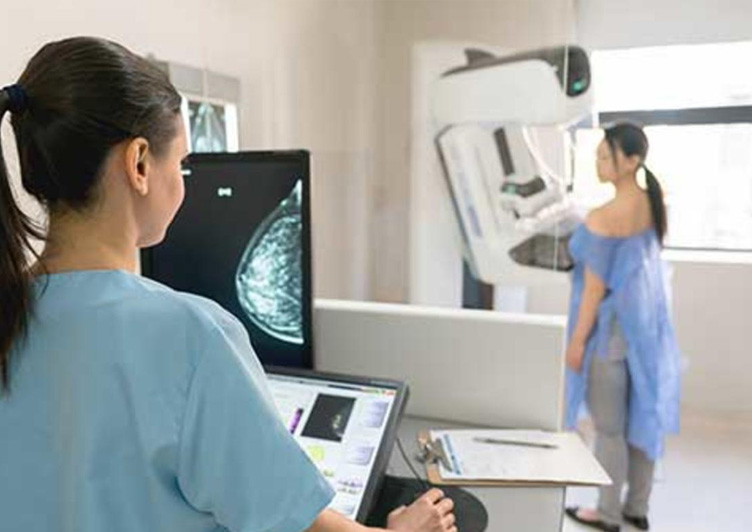
When it comes to maintaining long-term health, proactive prevention is the most powerful tool available. Oncology and preventive medicine have established a fundamental truth: early detection saves lives. Many chronic, life-threatening malignancies develop silently over several years, causing microscopic cellular changes long before any physical symptoms emerge. Waiting until you feel sick to consult a medical professional often means missing a vital window for early-stage intervention.
Related consultations: Patients in Vijayawada often also explore General Physician Consultations, Women’s Health Checkups, Nutrition Guidance During Pregnancy, Ultrasound Scanning based on symptoms and treatment goals.
At Ashwa Hospital, situated in the accessible healthcare hub of Vijayawada, we provide comprehensive, clinically precise cancer screening tests in Vijayawada. We focus extensively on preventive women’s oncology, reproductive tract safety, and early tumor detection. Led by Dr. M. Madhavi, an expert best gynecologist in Vijayawada and highly skilled laparoscopic surgeon, our diagnostic center bridges the gap between sophisticated laboratory science and patient-centered care. We believe that health screenings should not be a cause for anxiety, but rather a normal, empowering routine. By tracking cellular health using state-of-the-art diagnostic tools, we help identify pre-malignant conditions early, when they are highly treatable or even entirely preventable.
Warning Signs & Asymptomatic Risks: When Should You Screen?
The defining characteristic of early-stage malignancies is that they are frequently asymptomatic—meaning they develop without causing any obvious pain, fatigue, or visible bodily changes. However, as cell abnormalities progress, the body may display subtle warning signals. Recognizing these signs, while understanding that regular screening is vital even in perfect health, helps patients seek timely guidance from leading gynecology hospitals in Vijayawada.
Essential Symptoms that Require Immediate Clinical Screening
- Abnormal or Irregular Menstrual Bleeding: Experiencing unexpected spotting between your periods, unusually heavy menstrual flow, or bleeding after intimacy are key clinical warning signs that require specialized evaluation to rule out cervical or endometrial abnormalities.
- Unexplained Postmenopausal Bleeding: Any instance of vaginal bleeding or spotting that occurs a year or more after the complete cessation of menstruation is an absolute red flag. It requires immediate diagnostic screening to assess the inner uterine lining.
- Persistent Pelvic Pain or Deep Abdominal Bloating: While mild bloating is common, experiencing a continuous feeling of abdominal fullness, pelvic pressure, or lower back aching for several weeks can point toward early ovarian changes that require a professional ultrasound.
- Palpable Lumps or Changes in Breast Tissue: Detecting a firm, painless lump, noticing persistent skin dimpling, or identifying unusual nipple discharge during a self-examination requires high-resolution diagnostic imaging.
- Unexplained Weight Loss and Chronic Fatigue: Losing a significant amount of body weight without making lifestyle changes, combined with deep, ongoing fatigue that doesn't improve with rest, can be a systemic indicator that your body needs a comprehensive medical screening.
Primary Risk Factors & Causes of Gynecological Malignancies
Malignancies occur when genetic mutations cause healthy cells to grow uncontrollably, forming localized masses or structural tissue abnormalities. While some risk factors are out of our control, understanding the core drivers allows our medical team to customize your preventative screening plan.
High-Risk Viral and Hormonal Factors
- Persistent High-Risk HPV Infection: Chronic infection with high-risk strains of the Human Papillomavirus (HPV), particularly types 16 and 18, is the primary cause of over 95% of cervical malignancies. This viral strain causes slow, progressive cellular changes in the cervix over several years, which can be easily detected with a specialized Pap smear.
- Extended, Unopposed Estrogen Exposure: Conditions that lead to prolonged estrogen exposure without balanced progesterone—such as polycystic ovary syndrome (PCOS), never having been pregnant, early onset of menstruation, or late-stage menopause—can overstimulate the inner lining of the uterus, increasing long-term health risks.
- Metabolic Shifts and Obesity: Excess body fat alters the body's natural hormone balance, leading to increased peripheral production of estrogen. This hormonal shift can chronically overstimulate reproductive tissues, highlighting the need for regular screenings for individuals managing metabolic health concerns.
Genetic and Lifestyle Influences
- Inherited Genetic Alterations: Inherited mutations in specific genes, such as the BRCA1 and BRCA2 genes or Lynch syndrome, significantly increase an individual's lifetime risk of developing breast, ovarian, or colorectal conditions.
- Advanced Maternal Age: The natural process of cellular aging increases the likelihood of random genetic duplication errors over time. This makes consistent, age-appropriate medical screening packages essential for individuals over forty.
- Environmental and Lifestyle Stressors: Regular exposure to secondhand smoke, long-term tobacco use, poor dietary habits, and exposure to environmental toxins introduce harmful free radicals into the bloodstream, damaging cellular DNA and impairing the body’s natural tissue repair systems.
Comprehensive Cancer Screening Tests at Ashwa Hospital
Our diagnostic services look beyond basic check-ups. At Ashwa Hospital, we utilize a multi-layered diagnostic framework to identify cellular changes at their earliest, most manageable stages, giving you clear answers and peace of mind.
- Liquid-Based Cytology (LBC) Pap Smear: An advanced upgrade from traditional fluid Pap smears. By placing collected cervical cells into a specialized preservative liquid before lab analysis, we clear away obscuring blood and mucus, ensuring a highly accurate reading of cervical cell health.
- High-Risk DNA HPV Testing: A precise molecular test that scans cell samples for the specific genetic footprints of high-risk HPV strains. Identifying the virus early allows us to monitor and protect your health long before physical cellular changes even begin.
- High-Resolution Transvaginal Sonography (TVS): A specialized ultrasound that provides detailed, real-time views of pelvic structures. This allows our clinical team to measure the thickness of the endometrial lining and check for deep structural variations within the ovaries.
- Advanced Tumor Marker Assays (CA-125, CEA, AFP): Specialized, highly sensitive blood tests that measure specific protein biomarkers produced by abnormal cells, providing an important diagnostic tool for tracking internal tissue health.
- Image-Guided Core Needle and Endometrial Biopsies: If an ultrasound or exam reveals an unusual tissue pattern, our specialized best obstetrician in Vijayawada, Dr. M. Madhavi, can perform a precise, minimally invasive biopsy to collect a small tissue sample for expert laboratory analysis.
Understanding Prevention & Proactive Health Options
- Preventive oncology focuses on a clear, proactive strategy: identifying health concerns early to minimize the need for complex, invasive treatments later in life.
Primary Prevention through Vaccination
One of the most effective tools in modern preventative medicine is the quadrivalent or nonavalent HPV vaccine. Administered in early youth or young adulthood, this vaccine helps the immune system build strong defenses against the viral strains responsible for most cervical conditions, serving as a reliable first line of defense for your long-term health.
Secondary Prevention via Routine Screenings
Regular medical screenings act as an early detection system for your body. By scheduling consistent Pap smears, specialized pelvic ultrasounds, and biomarker checks, we can catch subtle cellular variations early. This allows for simple, non-surgical management options, helping you avoid major procedures down the road.
Advanced Minimally Invasive Keyhole Interventions
If a screening test identifies pre-malignant tissue or complex growths like atypical endometrial hyperplasia, Dr. M. Madhavi can perform highly precise, minimally invasive laparoscopic or hysteroscopic procedures. These advanced keyhole techniques allow us to safely remove unusual tissue areas while preserving healthy surrounding structures and protecting your future reproductive wellness.
Clear Benefits of Routine Diagnostic Screenings
Prioritizing a regular, professionally managed screening schedule offers essential benefits for your health and lifestyle:
- Exceptional Peace of Mind: Knowing your health status based on precise, evidence-based diagnostic tests removes the stress of health uncertainties, allowing you to focus on your daily life with confidence.
- Access to Simple, Gentle Treatment Options: Catching tissue variations early means you can often use simple, non-invasive therapies or minor day-care procedures, avoiding the need for extensive open surgeries.
- Accurate Identification of Inherited Risks: Comprehensive genetic screenings help map out hereditary health trends, allowing us to build a highly customized preventative care plan tailored to your family history.
- Empowered Control Over Your Health: Taking a proactive approach to your well-being helps you make informed lifestyle and medical decisions, protecting your long-term health and vitality.
Why Choose Ashwa Hospital for Preventative Screenings?
When choosing a care center for your preventative health, accuracy, efficiency, and compassionate support matter most. Ashwa Hospital has established itself as a trusted choice among premier gynecology hospitals in Vijayawada by delivering clear clinical precision alongside a supportive patient experience.
- Advanced, Integrated Laboratory Support: Our in-house diagnostic facilities utilize modern, automated testing equipment to deliver precise, highly reliable results while minimizing waiting times.
- Comfortable, Stress-Free Diagnostic Care: We understand that scheduling screening tests can feel intimidating. Our entire facility is organized to offer a private, calm, and supportive environment for every patient.
- Comprehensive, Whole-Person Healthcare: If a screening test requires further follow-up, our hospital provides seamless access to specialized medical care, advanced imaging resources, and minimally invasive surgical teams all under one roof.
- Convenient and Accessible Location: Situated at 29-28-2B, Dasarivari street, Prakasam Rd, our hospital is centrally located and easy to reach for families across Vijayawada, Governorpet, Suryaraopet, and nearby regions.
Meet Your Expert Consultant: Dr. M. Madhavi
The value of any screening depends heavily on the medical insight of the specialist interpreting your results.
With more than fifteen years of dedicated clinical experience, Dr. M. Madhavi is widely recognized as a trusted best gynecologist in Vijayawada. Her extensive background as a senior consultant at NRI Medical College provides her with deep expertise in managing high-risk pelvic health concerns, performing precise keyhole surgeries, and guiding preventative care. Dr. Madhavi focuses on clear, honest communication, ensuring that patients understand their screening results and feel fully supported in making proactive, confident choices for their health.
Sophisticated Medical Technologies Utilized at Our Center
We maintain modern diagnostic equipment to provide high levels of clinical accuracy:
- Automated Liquid Cytology Systems: Advanced laboratory equipment that prepares cell samples uniformly, optimizing clarity for microscopic evaluations.
- High-Sensitivity Chemiluminescence Immunoassay (CLIA): Advanced lab technology used for precise, reliable tracking of internal tumor markers and hormone levels.
- Advanced Real-Time Color Doppler Ultrasound: Gives our clinical team detailed, high-resolution views of blood flow within pelvic tissues, helping to identify unusual structural patterns early.
- Minimally Invasive Hysteroscopic Systems: Ultra-slim optical telescopes designed to view the inner uterine cavity safely and comfortably, without requiring large incisions.
Empowering Lifestyle Changes & Healthy Habits
While regular screening is essential for early detection, incorporating healthy everyday habits helps support your body's natural cellular defenses.
Simple Nutritional Choices for Long-Term Cellular Health
- Enjoy Antioxidant-Rich Whole Foods: Include a wide variety of colorful fruits, cruciferous vegetables (like broccoli and cabbage), and leafy greens in your meals to help protect cells from daily oxidative stress.
- Prioritize Fiber and Whole Grains: Choose fiber-rich options like oats, lentils, and brown rice to support healthy digestion and assist the body's natural metabolic processes.
- Limit Processed Foods and Sugars: Reducing your intake of refined sugars, artificial preservatives, and heavily processed meats helps lower internal inflammation and supports overall metabolic wellness.
Everyday Habits to Help Protect Your Health
- Maintain Regular Physical Exercise: Aim for at least 30 minutes of moderate activity, such as brisk walking, cycling, or swimming, five days a week to support overall vitality and balanced hormone health.
- Avoid Tobacco and Limit Contaminants: Eliminating smoking and reducing exposure to environmental toxins or harsh chemicals helps protect cellular DNA from long-term damage.
- Learn Your Family's Health History: Take time to understand your family's medical background and share it with your doctor. This information helps us build a highly personalized screening schedule tailored to your genetic profile.
Frequently Asked Questions (FAQs)
Here are clear, straightforward answers to common questions about preventative cancer screenings, structured for quick reference.
What are the most common cancer screening tests for women?
The most common and effective screenings include a Liquid-Based Cytology Pap smear combined with an HPV DNA test to monitor cervical health, high-resolution pelvic ultrasounds (TVS) to evaluate the uterus and ovaries, and regular diagnostic mammograms or high-frequency breast ultrasounds to track breast tissue health over time.
At what age should I begin regular gynecological cancer screening tests?
As a general health guideline, women should start routine cervical screenings via Pap smears within three years of becoming sexually active, or by age 21. For individuals over 30, combining a Pap smear with high-risk HPV DNA testing every three to five years is highly recommended to ensure comprehensive protection.
How does an HPV DNA test help prevent cervical health issues?
An HPV DNA test is a highly precise molecular screening that identifies the presence of high-risk viral strains responsible for cervical cellular changes. By detecting the virus early, our medical team can monitor your health closely and provide simple treatments long before abnormal cell changes actually develop.
Are cancer screening tests painful or require recovery time?
Routine screening tests are simple, minimally invasive procedures that cause very little discomfort and require absolutely no downtime. A Pap smear takes only a few minutes during a standard office visit, and pelvic ultrasounds are entirely painless, allowing you to return to your normal daily activities immediately.
What should I do if my screening test result comes back abnormal?
An abnormal result does not mean a serious condition is present; rather, it indicates that subtle cellular changes or variations require closer evaluation. If your results show variations, Dr. M. Madhavi will guide you through clear, simple follow-up steps, which may include a detailed colposcopy or a targeted biopsy to get precise answers.
Does Ashwa Hospital offer comprehensive preventive screening packages?
Yes, Ashwa Hospital provides specialized, well-rounded preventative health screening packages designed specifically for women of various age groups. These packages combine essential lab work, advanced pelvic imaging, and a comprehensive consultation with our specialist to ensure your long-term health is fully supported.
Conclusion & Next Steps Toward Lasting Wellness
Taking a proactive, preventative approach to your health is one of the most valuable investments you can make for your future and your family's peace of mind. While living with health uncertainties can cause unnecessary worry, scheduling routine medical screenings gives you clear answers, reliable protection, and a structured path forward.
At Ashwa Hospital in Vijayawada, our preventative oncology and advanced gynecology teams, led by the trusted clinical expertise of Dr. M. Madhavi, are here to provide clear, reliable care every step of the way. We combine advanced laboratory diagnostics with a supportive, patient-first environment, ensuring your screening experience is comfortable, clear, and reassuring. Do not wait for warning signs to appear before prioritizing your well-being. Reach out to our dedicated team today to schedule your preventative check-up and take a confident step toward long-term wellness.